
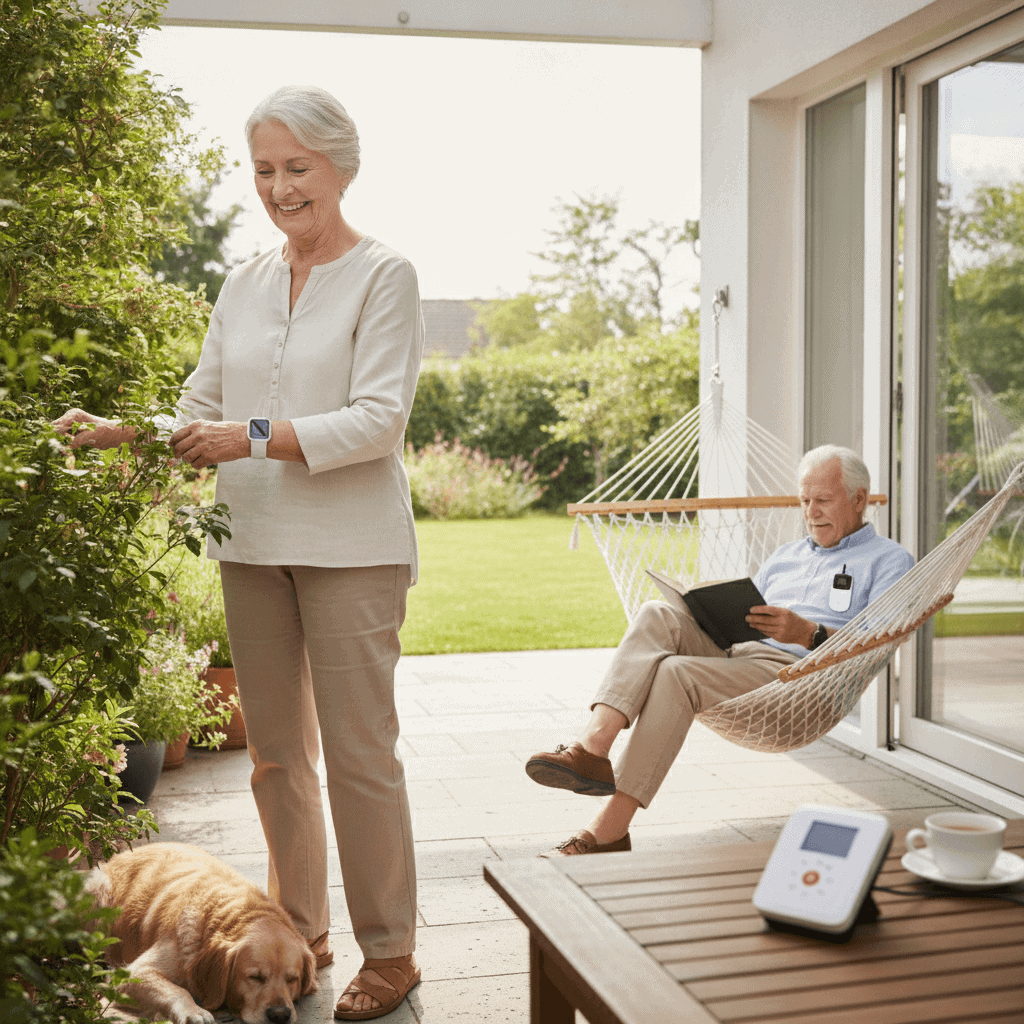
As we get older, the desire to live independently in our own homes remains strong for many of us. I see this often in my work helping people improve their wellness. It is a natural wish to stay comfortable and familiar surroundings for as long as possible.
This independence does not just mean doing daily tasks on your own. It also means feeling secure and confident in your ability to handle any unexpected situations that might arise. This is where modern technology, specifically alert devices, can make a very big difference.
These devices are not about taking away freedom. They are about adding a layer of safety and peace of mind. They help seniors continue living life on their own terms, knowing help is always a button press away. We believe in tools that truly support well-being and active living.
The Foundation of Independence: Understanding Senior Needs
Many seniors want to keep their autonomy. This involves staying in their homes and managing their own routines. However, aging often brings new challenges. I have spoken with many families who worry about falls, sudden health issues, or other emergencies happening when no one is around.
These worries can sometimes lead to uncomfortable conversations about moving into assisted living or having constant supervision. No one wants to feel like a burden. We understand this desire for self-reliance is deeply felt.
The goal is to provide solutions that honor this independence while addressing genuine safety concerns. This means finding a balance between freedom and security. Technology offers some excellent ways to achieve this balance today. It is about empowering choices, not limiting them.
Addressing Common Concerns for Older Adults
Seniors face a range of health and mobility concerns. A fall can be a serious event, but quick medical attention can prevent worse outcomes. Similarly, a sudden illness or a need for assistance after an accident requires a fast response. These devices are designed for these exact scenarios.
I have learned that communication is also key. Knowing that a loved one can connect with help quickly eases anxiety for everyone. This way, daily life can continue with less stress and more confidence. The right tools can truly make a world of difference.
How Alert Devices Empower Senior Independence Through Alert Devices
Alert devices are powerful tools that offer seniors and their families a strong sense of security. They allow older adults to maintain their desired lifestyle while ensuring that help is readily available if needed. I find these devices very helpful because they bridge the gap between wanting independence and needing safety.
The main benefit is peace of mind. Seniors know that they can live alone or be out and about without constant worry. Their families also feel less anxious, because they know a system is in place for emergencies. These systems mean less stress for everyone involved.
The technology works simply and effectively. When a senior needs help, they press a button or the device automatically detects a fall. This action sends a signal to a monitoring center or designated contacts. Help can be on the way fast. It is a quick and reliable way to get assistance.
Many types of senior independence devices exist. They are designed to fit different needs and preferences. Some are worn as pendants or bracelets. Others are integrated into home systems. We have seen how effective they are in various situations.
Immediate Help During Emergencies
The most important function of an alert device is to summon help during an emergency. This can include falls, medical crises, or even home invasions. A simple press of a button connects the user to a trained operator.
The operator assesses the situation and dispatches the appropriate aid, like paramedics or family members. This quick response can be life-saving. Every second counts when there is a serious health event. This is why having such a device is so important.
Everyday Peace of Mind
Beyond emergencies, these devices offer daily reassurance. Many seniors worry about what would happen if they fell and could not get up. Alert systems remove that fear. They allow individuals to go about their daily lives with more confidence.
This increased confidence leads to a more active and engaged lifestyle. Seniors feel empowered to pursue hobbies, run errands, and enjoy social activities without constant supervision. They know help is within reach at all times.
Types of Alert Devices for Every Lifestyle
The market for alert devices has grown significantly. There are now many options available, designed to fit different needs and lifestyles. I encourage families to explore these choices carefully. It is important to find a device that truly suits the senior’s habits and comfort levels.
Some devices are very discreet, while others are more noticeable. The key is to choose something that will be used consistently. We want seniors to feel comfortable wearing or using their device every day, so it is there when they need it most. Many models now include advanced features.
For example, GPS tracking is available on some mobile units. This means help can find you even if you are away from home. Voice activation is another helpful feature for those who might not be able to press a button. These innovations really improve safety and usability.
Wearable Solutions for Active Seniors
Many seniors lead active lives. They enjoy gardening, walking, or visiting friends. For these individuals, a mobile alert device is a great option. These devices often come as necklaces, wristbands, or clip-on units.
They are lightweight and comfortable to wear. Many models include GPS tracking, so emergency services can pinpoint the user’s location. This is crucial for emergencies that happen outside the home. Fall detection is also a common feature in these wearable units. It provides an automatic alert if a fall is detected, even if the person cannot press a button. This technology ensures that active seniors are protected wherever they go.
Home Systems for Comprehensive Coverage
For seniors who spend most of their time at home, a traditional home-based system might be ideal. These systems usually involve a base unit connected to a phone line or cellular network. Small, waterproof buttons can be placed in key areas, such as the bathroom or bedroom.
They can also be worn as a pendant. The range of these systems often covers the entire home and yard. Some advanced home systems integrate with other smart home technologies. These might include smoke detectors or carbon monoxide alarms. This creates a comprehensive safety network within the home, providing multiple layers of protection. I find these systems give a great sense of security.
Choosing the Right Device: Factors to Consider
Selecting the best alert device involves thinking about several important factors. My experience shows that a one-size-fits-all approach rarely works here. Each senior has unique preferences and needs, and the right choice supports their individuality.
I always suggest sitting down with the senior and their family to discuss what they truly need. It helps to list their daily activities and potential risks. This thoughtful process helps us find a device that offers the most benefit and comfort. We want them to feel truly safe.
Assessing Individual Needs and Preferences
Consider the senior’s mobility levels and lifestyle. Is the person very active, often leaving the house? A mobile device with GPS is probably best. Does the senior spend most of their time at home? A stationary base unit with wearable buttons might be more suitable. Also think about dexterity, because some buttons are easier to press than others.
The senior’s comfort with technology also matters. Some prefer simple devices, while others are open to more advanced features. The goal is to choose a device that the senior will actually use consistently. So it must be something they like and trust.
Understanding Monitoring Services and Features
There are different types of monitoring services. Some connect directly to 911. Other services connect to a dedicated monitoring center that can also contact family members. Consider if 24/7 professional monitoring is needed. This provides around-the-clock coverage, which is very reassuring.
Look into additional features like fall detection, two-way communication through the device, and medication reminders. Battery life is also important, especially for mobile units. Ask about setup and ongoing support too, so you know what to expect. These details are important for long-term use.
Integrating Technology Seamlessly into Daily Life
Introducing an alert device to a senior can sometimes feel like a sensitive topic. I understand that people fear losing independence. But framing these devices as tools for empowerment rather than signs of weakness makes a big difference. It is about enhancing freedom, not limiting it.
The goal is to make the device a natural part of daily life, almost unnoticeable until it is needed. We emphasize the positive aspects. These include greater freedom to move around and increased peace of mind for everyone. This approach helps reduce any potential resistance.
Making the Device a Natural Extension
When introducing an alert device, focus on the benefits it brings. Explain how it allows the senior to continue their favorite activities without worry. This could be gardening, taking a walk, or simply relaxing at home alone. Highlight how it connects them to help quickly, so they do not have to wait or struggle.
Make sure the device is easy to access and comfortable to wear. Practice using it together, so the senior feels confident in its operation. Place emergency contacts clearly visible near the base unit. This ensures everyone knows what to do if an alert is triggered. These small steps help the device become a seamless part of their routine.
Training and Ongoing Support
Proper training is essential for effective use. Show the senior how to press the button, how to speak through the device if it has two-way communication, and what to expect when an alert is triggered. Conduct regular test calls to ensure the device is working correctly and that the senior remembers how to use it.
Ongoing support is also important. This might mean having a family member check in periodically. It could also involve relying on the provider’s customer service for technical questions. We want to make sure the senior feels fully supported, so they use the device with confidence every day. This commitment helps maintain long-term safety.
The Broader Impact: Peace of Mind for Families
The benefits of alert devices extend far beyond the senior who wears them. I have seen firsthand the positive impact these systems have on entire families. When seniors are better protected, their loved ones experience significantly less stress and worry. It creates a healthier environment for everyone involved.
Family members often carry a heavy burden of concern, especially if they live far away or have busy schedules. Knowing that an alert device is in place provides a profound sense of relief. It allows them to trust that their senior is safe. This trust strengthens family bonds. It allows for more joyful interactions, because constant worry is not overshadowing everything. We believe in tools that help families thrive together.
Reduced Worry for Caregivers and Loved Ones
Caregivers frequently feel anxious about leaving their senior family members alone. They worry about potential falls, medical emergencies, or other accidents. An alert device significantly reduces this anxiety. It means a caregiver does not have to be physically present at all times to ensure safety.
This relief allows caregivers to manage their own lives better. They can go to work, run errands, or take a much-needed break knowing that their loved one has immediate access to help. This improved peace of mind for caregivers ultimately leads to better care and a happier home environment for everyone.
Maintaining Connection and Support
Alert devices also help families maintain a strong connection with their seniors. Instead of constant worry, interactions can focus on quality time and shared experiences. Family members can feel confident that a safety net is in place, so they can enjoy their visits and conversations more fully.
Many systems allow family members to be notified when an alert is triggered. This keeps everyone informed and connected to the senior’s well-being. It creates a supportive network that empowers the senior to live independently while still feeling deeply connected to their family. This balance is something we truly value.
Empowering a Secure Future for Our Seniors
Empowering senior independence through alert devices is a goal we passionately support. It is about so much more than just technology. It is about preserving dignity, fostering self-reliance, and providing invaluable peace of mind for both seniors and their families.
I have observed how these simple yet powerful tools transform lives. They allow older adults to continue living in the comfort of their own homes. This provides a safety net that catches them when they need it most. They can pursue their passions and maintain their routines, knowing that immediate help is always within reach.
From wearable pendants with fall detection to comprehensive home systems, there is a solution for nearly every situation. The key is to choose wisely, considering individual needs, lifestyle, and comfort with technology. We must also ensure proper training and ongoing support. This makes the device a seamless, trusted part of daily life.
We encourage you to explore these options for yourself or your loved ones. Discuss the possibilities with your family and a trusted provider. Invest in a device that not only protects but truly empowers. Take action today to embrace a future where independence and safety coexist beautifully.


